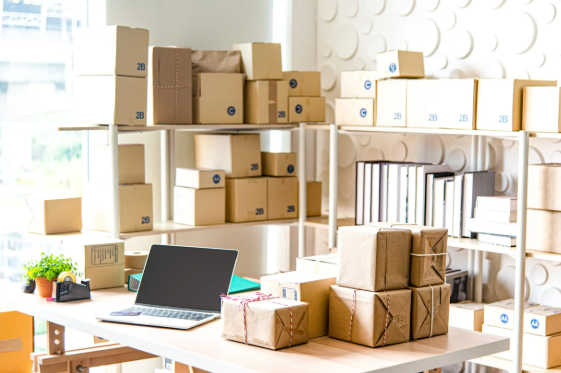


A well-organized home can make everyday routines easier and help family members spend less time searching for misplaced belongings. When toys, clothes, paperwork, and household supplies accumulate in shared spaces, even simple tasks can become frustrating.
Home organization does not require a large budget or a perfectly styled interior. With practical storage, consistent routines, and realistic expectations, families can create spaces that are easier to maintain and more comfortable to use.
Start With One Area at a Time
Trying to organize the entire house in one day can feel overwhelming. Instead, choose one manageable area, such as a kitchen drawer, bedroom shelf, or entryway.
Remove items that no longer serve a purpose, group similar belongings together, and decide where each category should be stored. Complete one small task before moving to the next.
This approach makes progress easier to see and helps prevent organization projects from becoming unnecessarily stressful.
Create an Organized Entryway
The entrance is often where shoes, coats, keys, bags, and other everyday items collect. A simple entryway system can help everyone leave the house more smoothly.
Use suitable hooks for coats and bags, a shoe rack for footwear, and a small tray or designated container for keys. If space is limited, wall-mounted storage or a narrow shelf may be more practical than bulky furniture.
Make sure stored items do not block exits or create tripping hazards.
Improve Kitchen Storage
An organized kitchen can make meal preparation faster and less frustrating. Keep frequently used cooking tools and ingredients within convenient reach while storing occasional-use items elsewhere.
Group similar supplies together, such as baking ingredients, snacks, and food-storage containers. Use suitable organizers for drawers and cupboards where they help reduce clutter.
Review food supplies regularly, follow safe food-storage guidance, and avoid buying more than your household can reasonably use.
Organize Children’s Toys and Books
Children often find it easier to tidy up when storage is simple and accessible. Use open bins, low shelves, or clearly labeled containers for different categories of toys.
Keep favorite toys easy to reach and rotate other toys occasionally if storage space is limited. Books can be arranged on accessible shelves so children can choose what they want to read.
Encourage children to return items after use, but keep expectations appropriate for their ages and abilities.
Establish a Simple Laundry System
Laundry can quickly become difficult to manage when clean and dirty clothes mix together. Place laundry baskets in convenient locations and separate clothing according to your household’s needs.
Create a regular schedule for washing, drying, folding, and putting clothes away. Family members can help with suitable tasks, such as sorting socks or placing their own folded clothes in drawers.
Keep laundry supplies stored safely and follow the instructions on cleaning products and appliances.
Make Shared Spaces Easier to Maintain
Living rooms and dining areas often serve several purposes. A living room may be used for relaxing, studying, playing, and entertaining guests.
Use baskets for blankets and frequently used items. Store remote controls in a designated place and keep surfaces clear enough for their intended use.
For more inspiration, explore home organization tips for practical ways to arrange household spaces, improve storage, and make everyday living areas more functional.
Build a Family Cleaning Routine
A short, consistent routine can help prevent mess from becoming overwhelming. Spend a few minutes each evening returning items to their proper places, wiping suitable surfaces, and preparing shared spaces for the next day.
Divide responsibilities fairly among household members. Children can put away toys, while older family members may help with dishes or other suitable tasks.
A simple checklist can make expectations clear. However, the goal should be a manageable home rather than perfection.
Create a Place for Important Papers
School notices, bills, appointment reminders, and household documents can easily become mixed together. Choose a dedicated location for incoming paperwork.
Use labeled folders or a suitable file organizer to separate documents by category. Review the collection regularly and dispose of unnecessary papers securely.
Keep important personal documents in a safe location and ensure that sensitive information is not left in public areas.
Keep Organization Realistic
An organization system only works when family members can use it easily. Avoid buying storage products before identifying the actual problem they need to solve.
Choose solutions that fit your available space, household routines, and budget. A simple basket may be more useful than an expensive organizer if it meets the same need.
Families can also discover family entertainment ideas for inspiration on family-oriented activities and ways to make leisure time more enjoyable after everyday responsibilities are managed.
Review Your System Regularly
Household needs change over time. Children grow, hobbies change, and new items enter the home. Review storage arrangements every few months to see what still works.
Donate or responsibly recycle items that are no longer needed when appropriate. Before purchasing new furniture or storage equipment, consider whether existing items can be rearranged or reused.
Small adjustments can help the system remain useful without requiring a complete reorganization.
Conclusion
Smart home organization is about making daily life easier, not creating a perfect-looking house. An organized entryway, practical kitchen storage, accessible toy containers, and simple cleaning routines can reduce clutter and support a more comfortable family lifestyle.
Start small, involve family members, and choose systems that suit your real needs. With consistent habits and realistic expectations, it becomes easier to maintain a welcoming home and enjoy more time together.