
ByJohn A
How to Plan an Unforgettable European Sports Car Road Trip
A European sports car road trip can be much more than a long drive between two destinations. With the right planning, it can become a carefully balanced combination of scenic roads, memorable hotels, exciting driving experiences, and time spent exploring different regions. Whether you own a performance car or want to experience one during your journey, preparation can make the entire trip smoother and more enjoyable.
Europe offers an impressive variety of driving environments. Alpine mountain passes, coastal roads, countryside routes, historic towns, and famous racetracks can all become part of the same itinerary. However, trying to fit everything into one trip without a clear plan can quickly turn an exciting adventure into a tiring schedule.
Here are some practical tips for planning a memorable European sports car journey.
Choose a Route That Matches Your Driving Style
The first step is deciding what type of driving experience you want. Not every sports car trip needs to focus on maximum speed or challenging corners. Some drivers prefer relaxed scenic routes, while others enjoy technical mountain roads or organized track experiences.
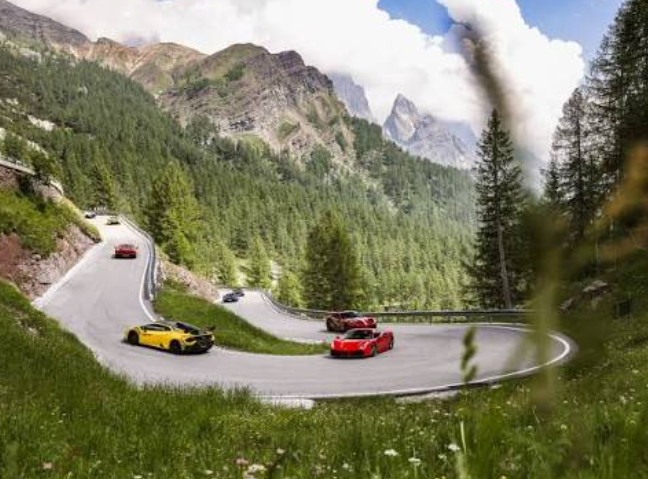
If you enjoy spectacular scenery, consider routes through the Alps, northern Italy, Switzerland, France, or Austria. Mountain roads can provide a combination of changing landscapes and engaging driving. Coastal regions offer a completely different atmosphere, with winding roads and opportunities to stop at seaside towns.
For drivers who want a more performance-focused experience, incorporating a professional trackday can make the journey even more distinctive. European circuits provide an environment where drivers can concentrate on technique and vehicle control without dealing with normal public-road traffic.
The important point is to build your itinerary around the experience you actually want rather than simply collecting as many destinations as possible.
Plan Fewer Daily Miles
One of the biggest mistakes when organizing a luxury driving holiday is trying to cover too much distance every day.
A sports car road trip should leave enough time to enjoy the roads. If you schedule eight or ten hours of driving daily, you may spend more time watching the navigation screen than appreciating the scenery.
Instead, consider setting reasonable daily distances and allowing additional time for breaks. A route of 200 to 300 kilometers can feel much more rewarding than a 600-kilometer motorway journey when the objective is enjoyment rather than simply reaching a destination.
Shorter driving days also create opportunities to stop at viewpoints, restaurants, villages, historic attractions, and hotels.
Include Scenic Roads Instead of Only Motorways
Motorways are useful when you need to cover large distances, but they rarely provide the most memorable part of a driving holiday.
Whenever practical, use secondary roads that pass through interesting landscapes. Alpine roads, forest routes, vineyard regions, and coastal highways can transform the journey itself into part of the vacation.
However, scenic does not automatically mean suitable for every driver. Some mountain roads can be narrow, steep, or busy with cyclists and other vehicles. Research the route before departure and check local conditions.
It is also sensible to keep a flexible route. Weather, road closures, construction, or traffic can make an alternative road more attractive on the day.
Consider Adding a Professional Trackday
Public roads and racetracks serve very different purposes. Even experienced drivers should avoid treating ordinary roads as racetracks.
A professional trackday provides a controlled setting where enthusiasts can explore vehicle performance while focusing on driving technique. Many organized events also provide coaching, which can help drivers understand braking points, racing lines, cornering techniques, and throttle control.
For enthusiasts looking for organized driving experiences across Europe, European Speed Club offers trackdays and sports car travel, including events at major European circuits. Its current trackday program includes different formats for road-legal sports cars and more experienced drivers, with professional coaching available at selected events.
A trackday can also complement a road trip nicely. You can spend part of the holiday exploring beautiful roads and dedicate another day to focused driving on a circuit.
See also: The Evolution of University Printing in the Digital Age
Decide Whether to Use Your Own Car
Taking your own sports car on a European trip can be extremely rewarding. You already know the vehicle, its controls, and its driving characteristics. There is also something special about seeing your own car in different European landscapes.
However, long-distance travel creates additional considerations. Tire condition, brakes, fluids, servicing, insurance, and roadside assistance should all be checked before departure.
Another option is to use a professionally arranged sports car rental or vehicle program. This can reduce concerns about putting excessive mileage or wear on your personal vehicle.
Some specialized driving organizers provide sports cars for trackdays and touring experiences. For example, European Speed Club’s CarForGo program gives participants access to selected Porsche sports cars for certain events, allowing drivers to participate without bringing their own vehicle.
Before choosing either option, compare the total costs, insurance conditions, mileage allowances, deposits, and vehicle requirements.
Prepare the Car Before Leaving
If you are driving your own vehicle, preparation should begin well before departure.
Have the car inspected and pay particular attention to:
Tire tread and tire pressures
Brake pads and discs
Engine oil and coolant
Battery condition
Lights and indicators
Windshield and wiper condition
Spare equipment and emergency supplies
Performance driving can place substantially greater demands on tires and brakes than ordinary touring. If a trackday is included in the itinerary, check the vehicle manufacturer’s recommendations and the organizer’s requirements.
It is also worth carrying basic documents, insurance information, driving licenses, and any roadside-assistance details you may need.
Research European Driving Requirements
Driving rules are not identical across Europe. Speed limits, toll systems, environmental zones, required equipment, parking regulations, and road signs can differ between countries.
Before crossing a border, research the current requirements for each country on your itinerary. Some destinations use electronic toll systems, while others rely on physical toll stations or road permits.
Environmental restrictions are particularly important when visiting major cities. Certain urban areas have emissions restrictions or require registration before entering.
Checking these details in advance prevents avoidable problems during the trip.
Book Hotels That Complement the Journey
Accommodation should be considered part of the road-trip experience rather than simply somewhere to sleep.
After a demanding day behind the wheel, a comfortable hotel with secure parking can make a major difference. When selecting accommodation, look for convenient parking, easy road access, restaurants nearby, and facilities that allow you to relax properly.
Mountain and countryside hotels can also become destinations in their own right. A property overlooking an Alpine valley or located near a famous driving route can add another memorable element to the trip.
For longer luxury tours, organizing accommodation around the route can also prevent unnecessary backtracking.
Build in Time for Food and Local Experiences
A sports car road trip should not become a driving marathon.
Europe is famous for its regional cuisine, wine areas, historic towns, and cultural attractions. Leave enough time to enjoy them.
For example, an Alpine route can combine mountain driving with local restaurants and villages. A journey through northern Italy can include lakes, vineyards, historic cities, and mountain roads. A French itinerary might combine scenic countryside with regional cuisine and coastal destinations.
The best itineraries often alternate driving-focused activities with slower experiences.
Think About Weather and Seasonal Conditions
Weather can dramatically change a European driving trip.
Mountain routes may experience sudden changes in temperature and visibility. Winter conditions can make certain roads unsuitable for performance vehicles without appropriate tires and equipment. Summer can bring heavy tourist traffic, particularly around popular destinations.
Check forecasts before each driving day rather than relying only on the weather expected when you leave home.
For enthusiasts interested in winter driving, specialized ice-driving experiences can provide a completely different way to enjoy performance cars. European Speed Club, for example, offers dedicated On Ice experiences in locations including Swedish Lapland and Austria.
These specialized experiences demonstrate why season should be treated as part of the itinerary rather than an afterthought.
Keep the Itinerary Flexible
Even a carefully designed route needs some flexibility.
A road may be temporarily closed. Weather may change. You might discover an interesting town and want to stay longer. Or a particularly beautiful road may deserve more time than expected.
Instead of planning every minute, identify the essential parts of the journey and leave open space around them.
A flexible schedule also reduces stress. You can enjoy the drive rather than constantly worrying about arriving at the next location at a precise time.
Make Safety Part of the Experience
Enjoying a performance car does not require taking unnecessary risks.
On public roads, follow local speed limits and traffic regulations. Maintain appropriate distances and remember that cyclists, pedestrians, motorcycles, animals, and slower vehicles can appear unexpectedly on scenic routes.
If you want to explore the performance capabilities of a sports car, a closed circuit is the appropriate environment.
Professional instruction can also help. Learning correct braking, steering, cornering, and throttle techniques can make driving more controlled and enjoyable.
Create a Balanced Itinerary
The ideal European sports car trip combines several elements rather than focusing exclusively on one.
A strong itinerary might include:
Scenic driving through mountains or countryside.
Luxury accommodation in carefully selected locations.
Local food and culture between driving days.
A professional trackday for performance driving.
Rest days that prevent fatigue.
Flexible time for unexpected discoveries.
This balance allows the vehicle, roads, destinations, and people you travel with to become equally important parts of the experience.
Final Thoughts
Planning a European sports car road trip is ultimately about creating the right balance between driving and discovery. The most memorable journey is rarely the one with the highest mileage. Instead, it is the one where every section of the route has a purpose.
Choose roads that suit your interests, prepare the vehicle carefully, research local driving requirements, select comfortable accommodation, and leave enough time to appreciate each destination. If you want to experience higher-performance driving, consider adding an organized trackday rather than trying to recreate a racetrack environment on public roads.
With thoughtful preparation, a European driving holiday can become much more than transportation between destinations. It can be an opportunity to explore remarkable landscapes, improve your driving skills, experience exceptional cars, and create memories that last long after the final kilometer.
